
Appropriators restore funding for Commerce’s TraCSS spacewatch effort
After a drastic reduction proposed by the White House, the Senate Appropriations Committee would fund the Office of Space Commerce at $60 million in FY26 to continue with TraCSS.
After a drastic reduction proposed by the White House, the Senate Appropriations Committee would fund the Office of Space Commerce at $60 million in FY26 to continue with TraCSS.
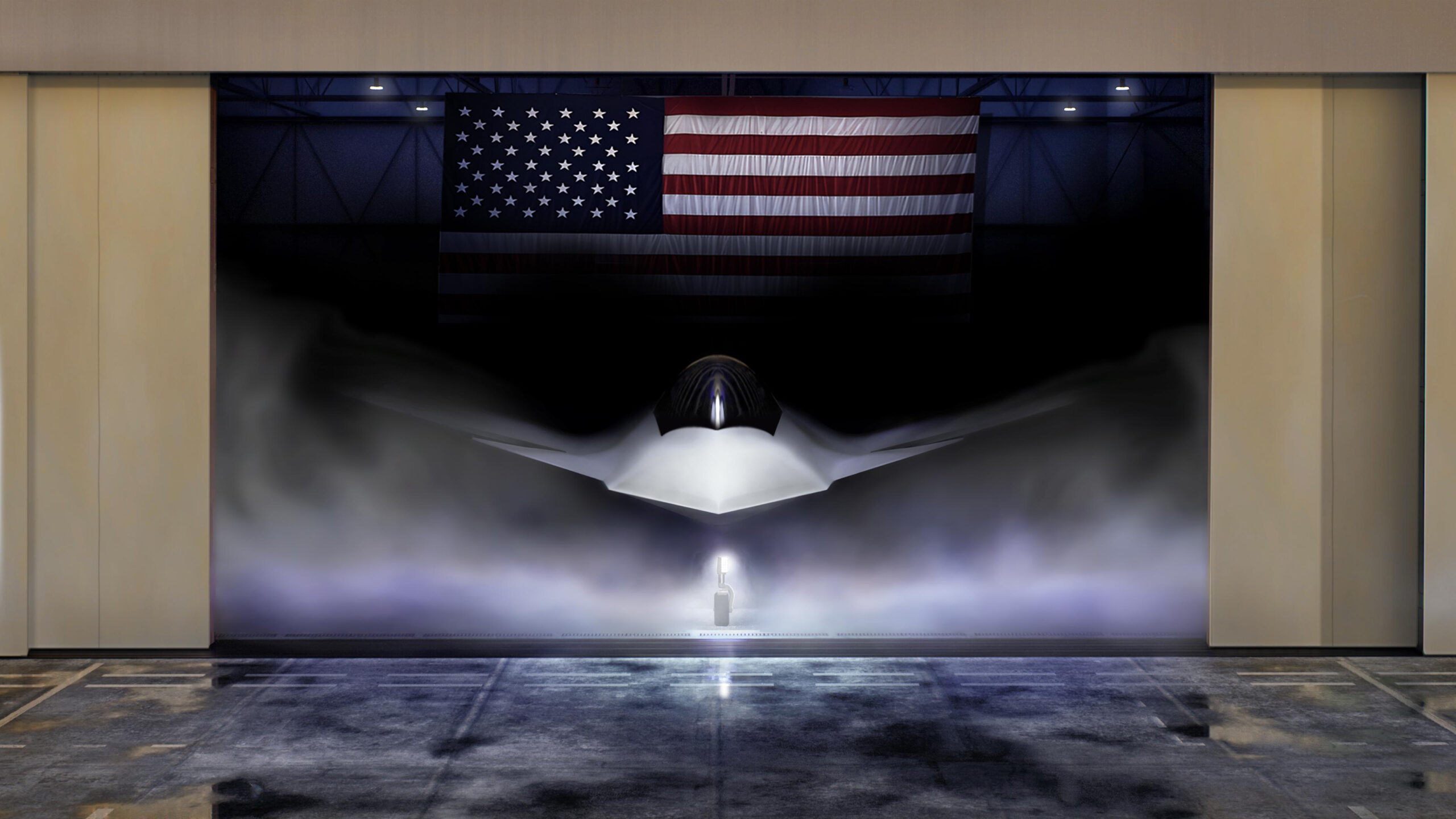
The White House made official what many in defense circles have been whispering: That the administration is prioritizing the Air Force’s next jet over the Navy’s future capability.


Cybersecurity skills must evolve in near-real time as Zero Day threats continue and AI provides new challenges.

The committee voted 36-27 to send its funding proposal to the House floor after a marathon markup that lasted almost nine hours.
A key problem identified by the HAC is the fact that the military services do not allow program officers responsible for acquisition oversight to remain in their posts long enough to gain the necessary expertise.

“We don't have anything today. We have zip, nada at knowing where you're going. You could talk percentages, you could talk about whatever you want, but unless this committee sees dollars and cents and where … your plan is, then we may reconsider what you need to do to go forward,” said Rep. Rosa DeLauro.
The Pentagon has yet to send its budget to Congress, but House Appropriators are moving forward with their own version of the spending plan.


Blending superior optics, advanced stabilization and AI-powered autonomy in a compact and rugged system, ASELFLIR 600 delivers unmatched intelligence, surveillance and reconnaissance (ISR) capabilities.
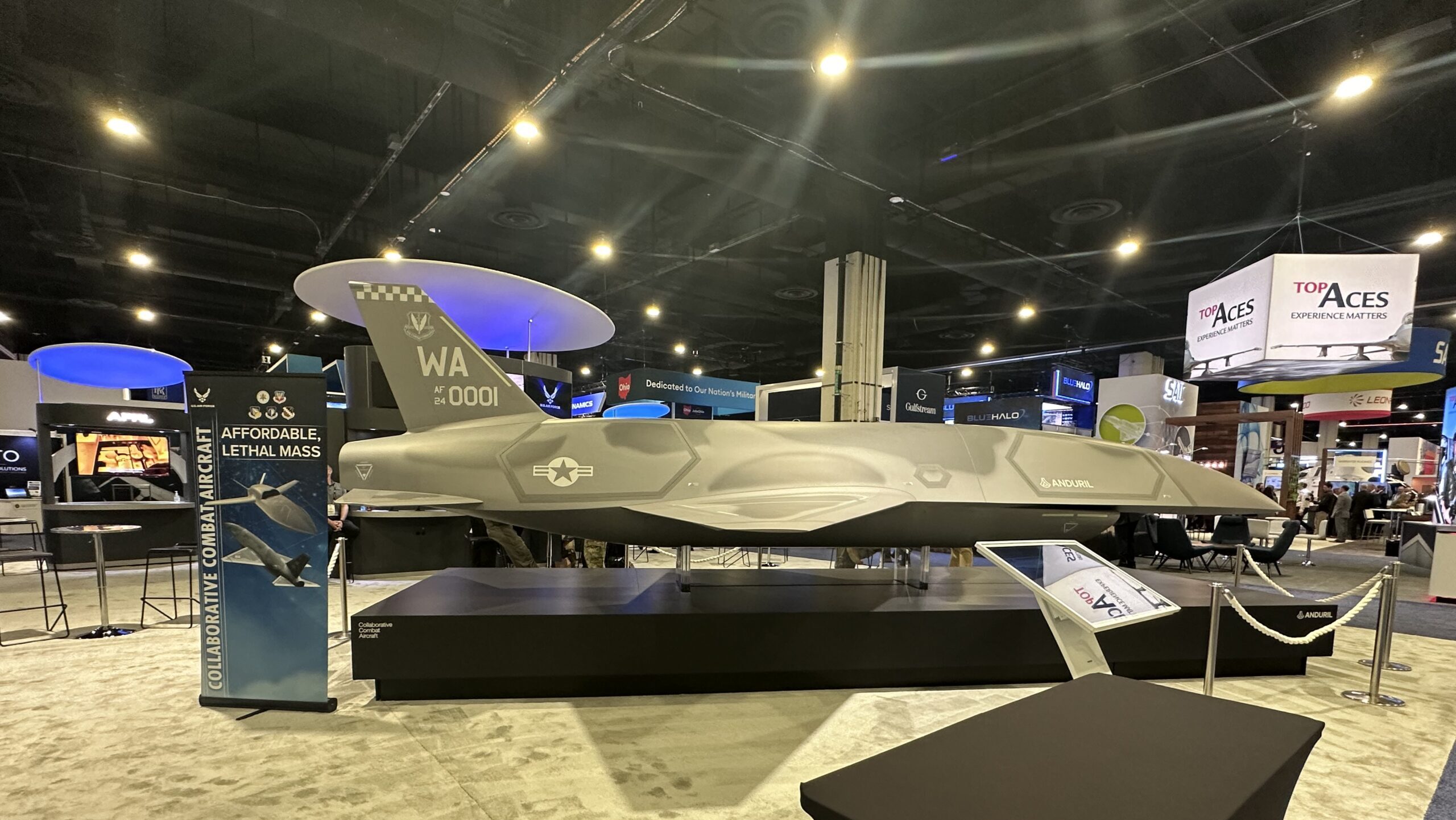
The Air Force could cut about $1 billion from the Sentinel ICBM and add hundreds of millions of dollars for the Collaborative Combat Aircraft drone wingmen program, a draft April proposal says.
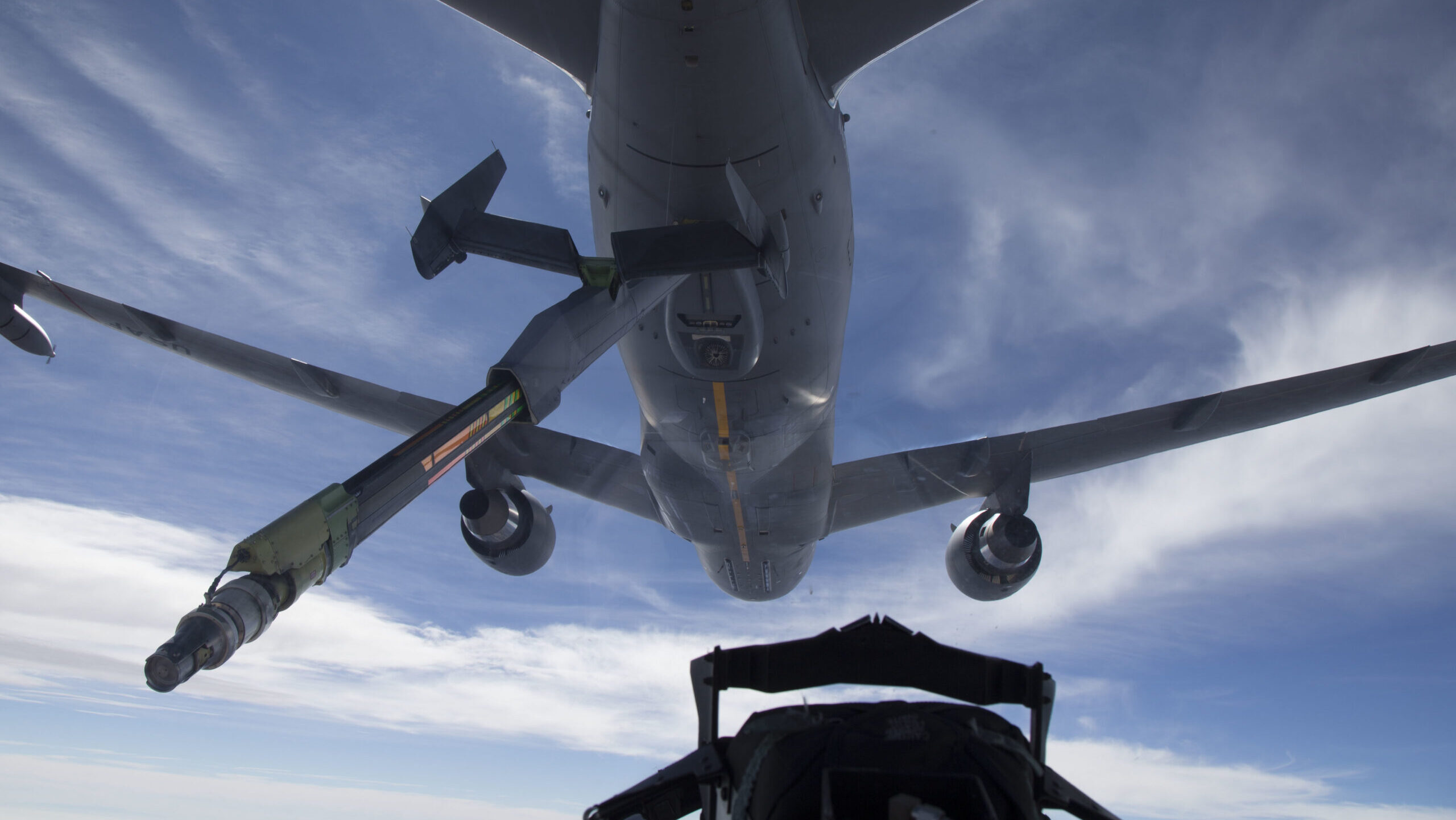
The new timeline is a setback for the beleaguered tanker, whose deliveries have been halted since February.

In a sit down with Breaking Defense, Rep. Mario Diaz-Balart discussed getting the FY25 budget sorted, giving the Pentagon more flexibility, and reforming foreign aid.
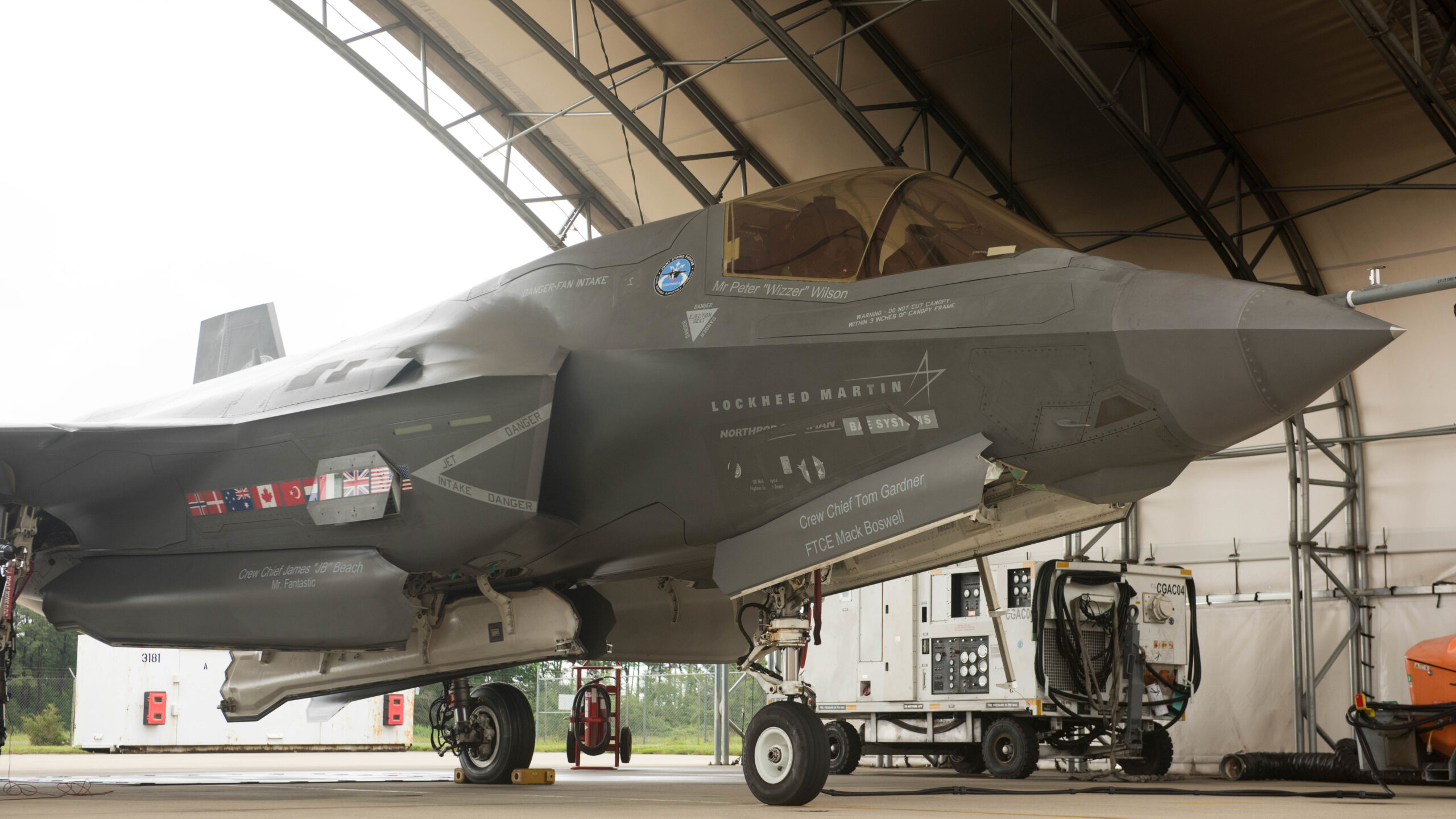
An amendment that would have cut 18 F-35s was blocked by the GOP-led House Rules Committee, which decides which amendments are debated on the floor.


The initial command and control gateway to earn a continuous Authority to Operate is changing multi-domain operations.

Republicans defeated a measure that would have added $300 million to the Ukraine Security Assistance Initiative, saying the previously passed supplemental funding covered that need.

Funding tables show the detailed changes House appropriators make in their $833 billion version of the FY25 spending bill, with big cuts to programs like the Air Force's beleaguered Sentinel ICBM.

The HAC-D's version of the spending bill contains a heavy focus on culture war issues, but does increase spending for the F-35 Joint Strike Fighter and the Defense Innovation Unit.
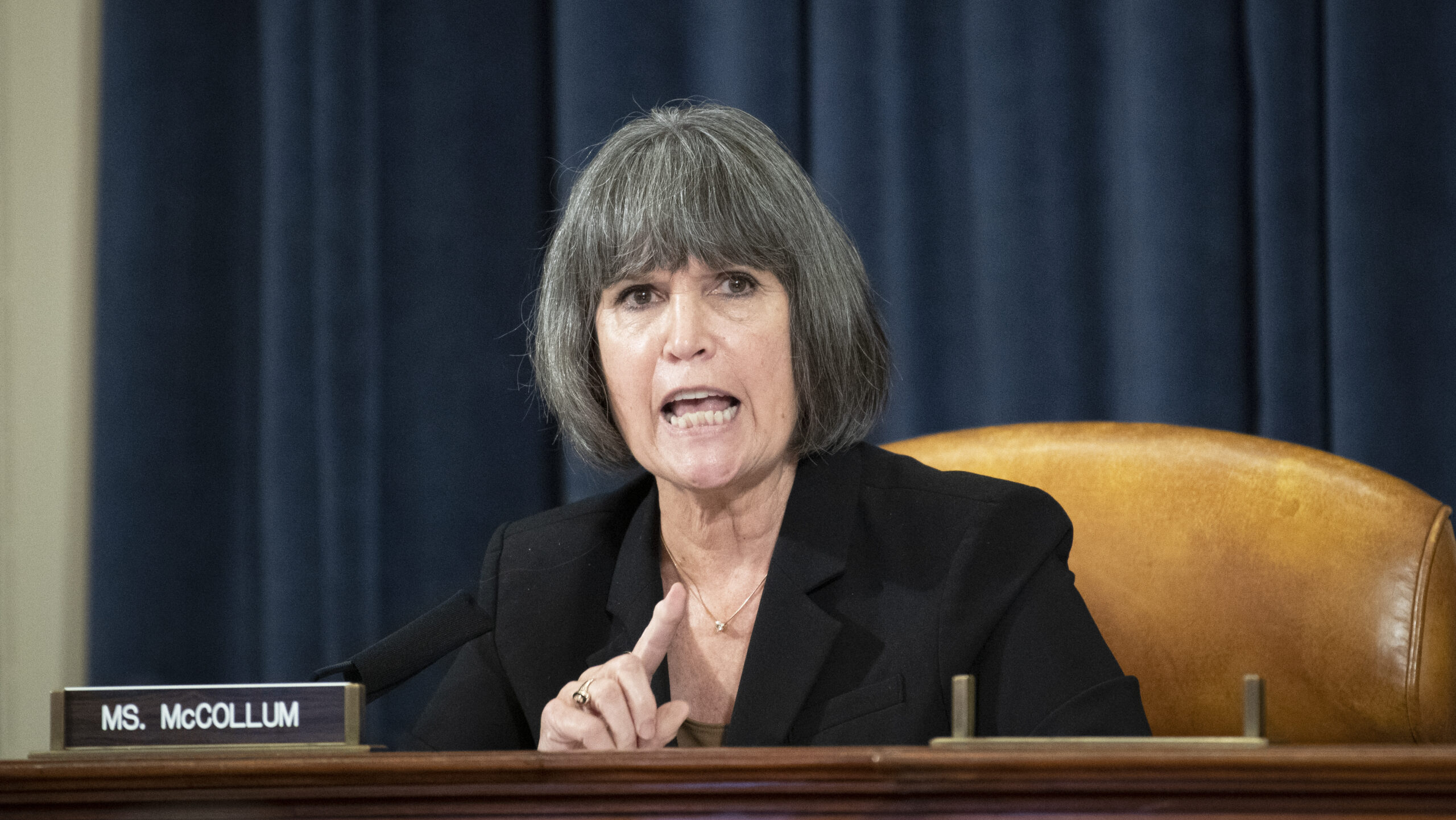
“The states need to be consulted, and need to be full partners moving forward in any major change such as this," said Minnesota Rep. Betty McCollum, the defense subcommittee’s top Democrat.